As part of the ENSURE-6G project, I completed a research secondment from University College Dublin (UCD) to the University of Sri Jayewardenepura (USJ). The secondment aimed to strengthen collaboration between partner institutions while contributing to the security foundations of Use Case 01: Beyond 5G for Telemedicine, a key initiative exploring how 6G and O-RAN technologies can enable trustworthy, resilient remote healthcare services.
Main Results and Achievements
My primary technical contribution during the secondment was supporting the D5.1 deliverable by developing the threat model selection for UC1: Beyond 5G for Telemedicine. This involved identifying and structuring the adversary capability classes relevant to medical IoT communications over O-RAN networks covering passive observation, active traffic manipulation, identity and infrastructure impersonation (including the challenging fake base station scenario), and attacks targeting the AI-based intrusion detection pipeline itself. The work also included defining the corresponding security and privacy assumptions, attack surface analysis across the four-plane UC1 architecture, and mapping each threat class to cross-layer measurement points at the device, RAN, MEC, and orchestration levels.
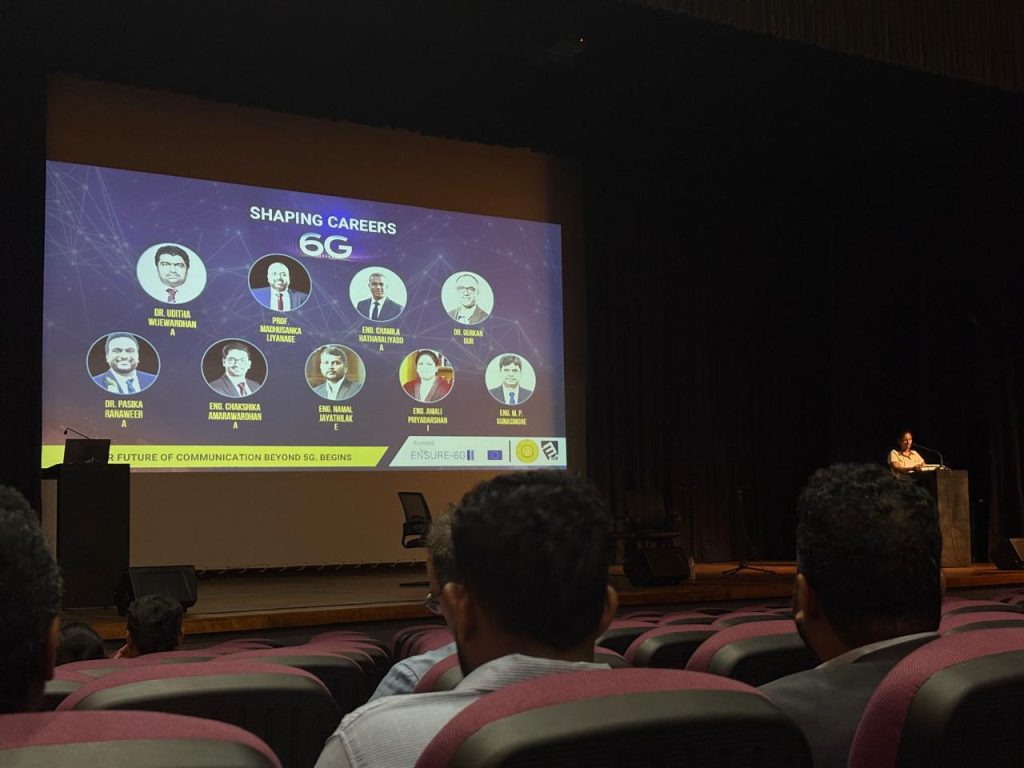
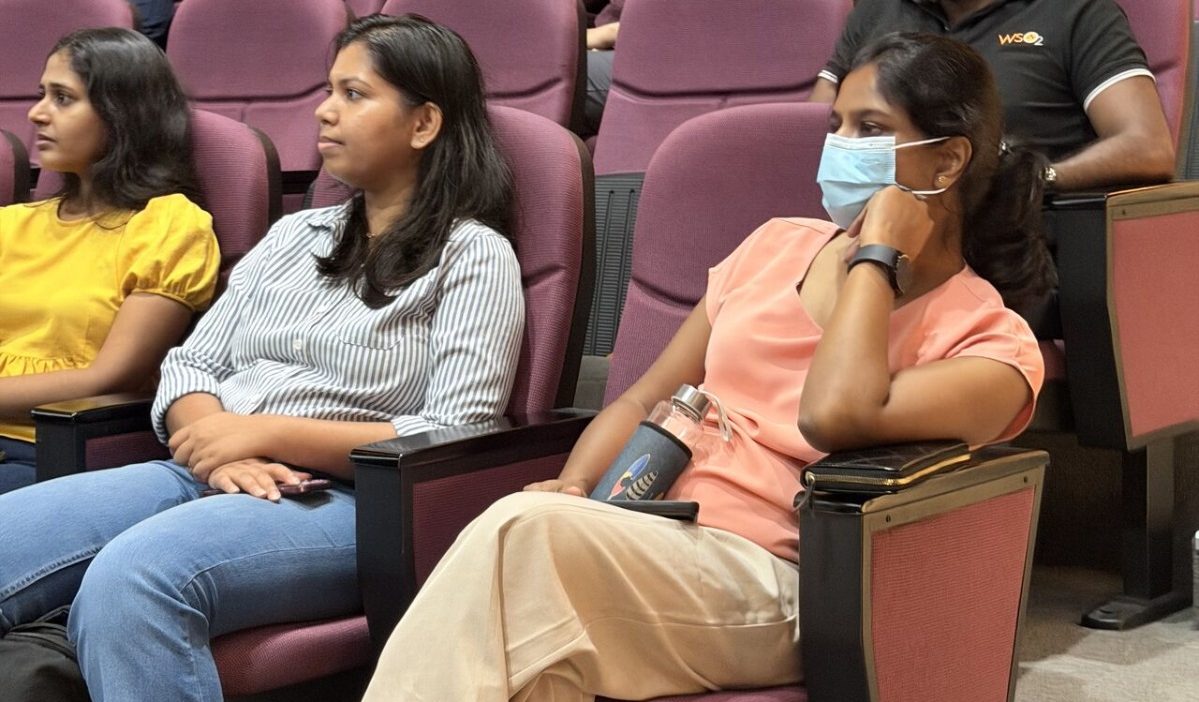
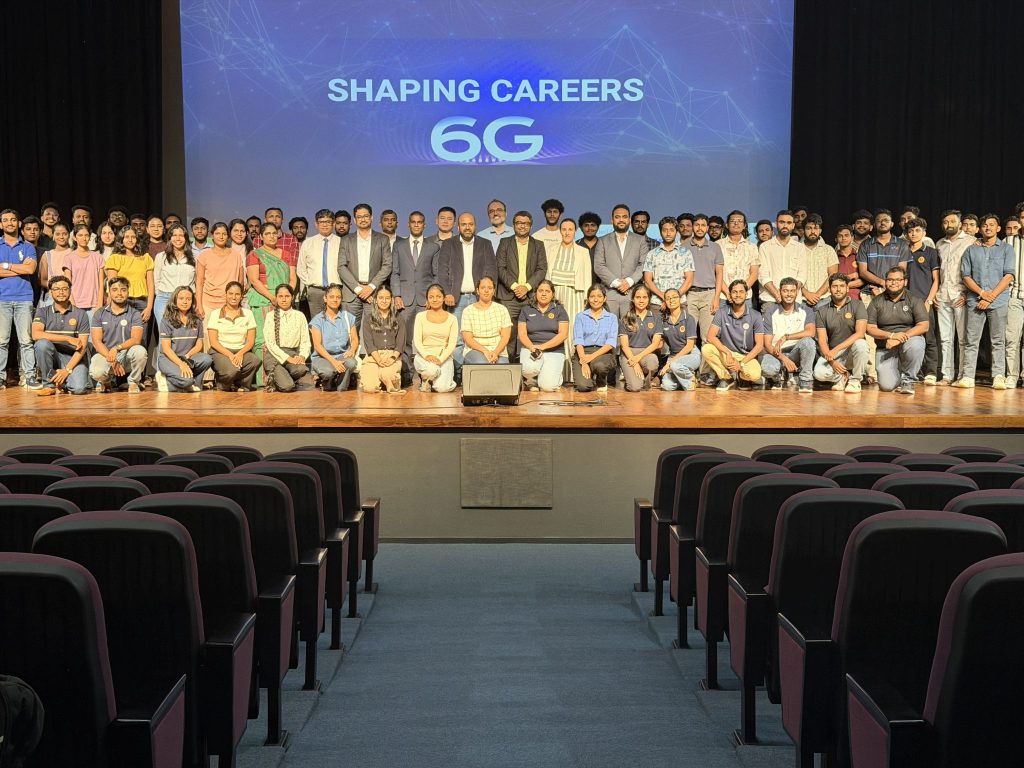
Beyond the technical contribution, I participated in the “Shaping Careers in 6G” workshop held on 10th July 2026 at the Faculty of Engineering premises at USJ. This was a primary dissemination event of ENSURE-6G, bringing together students, researchers, and early-career professionals for a full programme of insights from industry and academia, covering real-world 6G security challenges, career pathways, and the technologies defining next-generation networks.
Scientific Impact
The secondment contributed directly to the scientific foundations of ENSURE-6G by advancing the threat modelling and security analysis for medical IoT in next-generation O-RAN networks. The work strengthened the project’s coverage of healthcare-specific security challenges, including cross-layer intrusion detection, explainable AI for root-cause analysis, and privacy-preserving telemetry design.
Economic Impact
By identifying and structuring security threats early in the design phase of 6G-enabled telemedicine, the work supports the development of more robust and cost-efficient medical IoT deployments. Addressing threats such as device impersonation and fake base stations at the architectural level reduces the risk of costly security incidents in future healthcare network deployments.
Societal Impact
The work carried out during this secondment supports the longer-term goal of enabling trustworthy and secure remote healthcare services over 6G infrastructure, an area with direct implications for patient safety, service reliability, and public trust in AI-enabled communication systems, particularly for remote or underserved populations.