

One of the highlights of my recent ENSURE-6G research secondment at the University of Sri Jayewardenepura (USJ), Sri Lanka, was the opportunity to participate in two exciting events organised under the ENSURE-6G project on 9 and 10 July 2026.
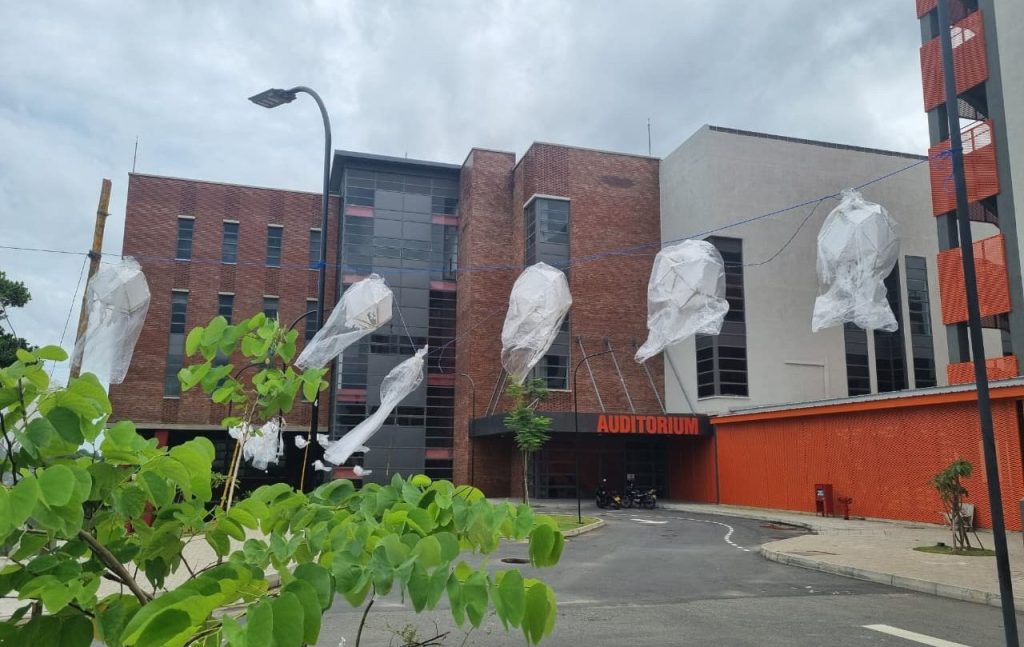
These events brought together researchers, academics, students, and industry professionals to exchange knowledge, discuss emerging research challenges, and explore the future of secure 6G communication networks.
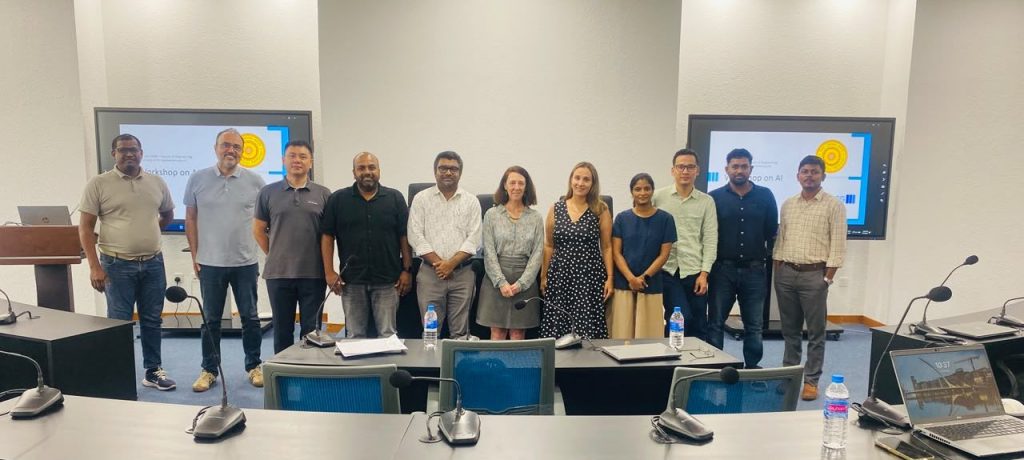
Day 1: Hybrid Workshop on AI for 6G Security
The first day featured the Hybrid Workshop on AI for 6G Security, which explored the growing importance of artificial intelligence in securing future communication networks.
The workshop included interesting presentations and discussions on several emerging topics, including trustworthy AI for autonomous 6G networks, privacy and ethical considerations in 6G, privacy-preserving federated learning, federated unlearning, and research methodology and dissemination.
As my research focuses on Open RAN security, it was particularly valuable to learn about these complementary research areas and gain insights into how AI-driven approaches could support more secure, intelligent, and trustworthy 6G networks.
Day 2: Shaping Careers in 6G
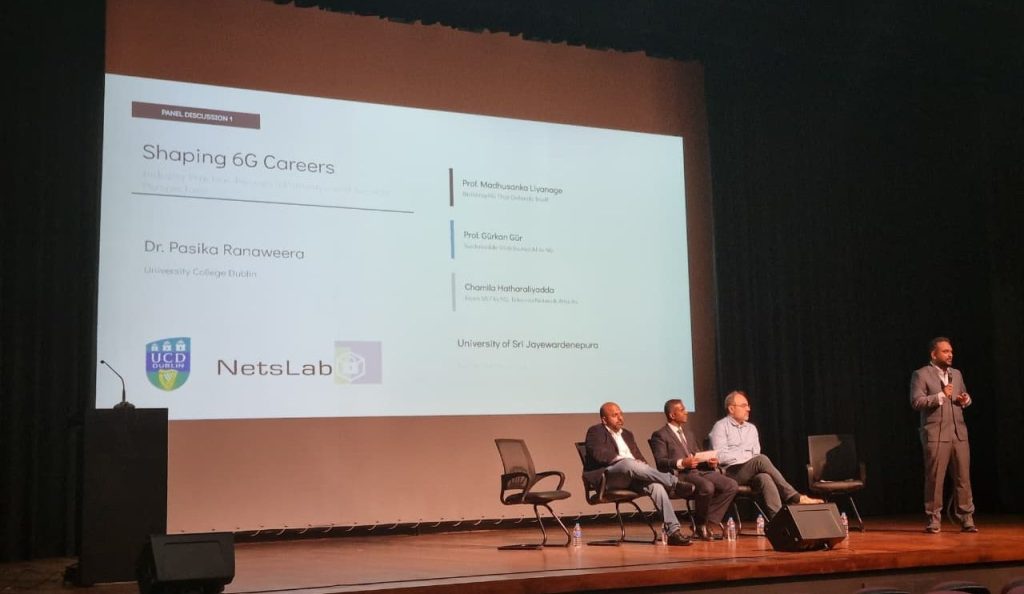
The second day featured Shaping Careers 6G: Industry Practice, Research Pathways & Security Perspectives, which provided a broader perspective on the evolving 6G research and industry landscape.
The event brought together researchers and professionals from academia and industry to discuss emerging 6G technologies, security challenges, research opportunities, and career development.
For early-stage researchers like myself, it was an opportunity to understand how academic research connects with real-world industry challenges and to learn about the different pathways available for contributing to future communication technologies.
Learning Beyond My Research Area
What made these two days particularly valuable was the opportunity to explore research topics beyond my immediate PhD work and interact with people from different research backgrounds.
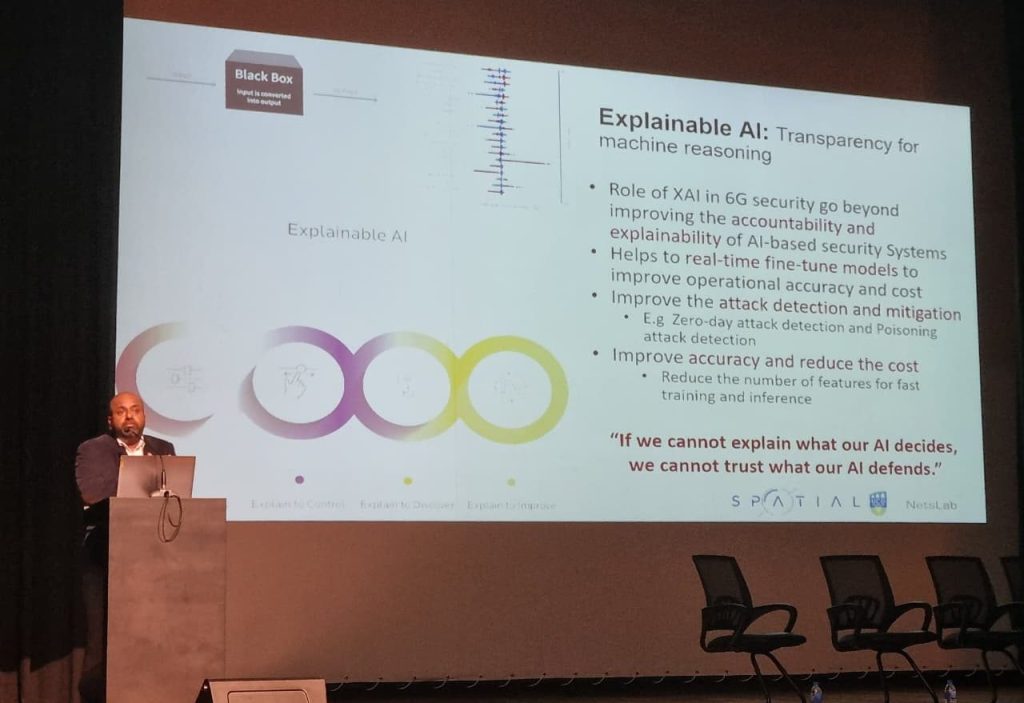
One interesting example was a presentation on Explainable Artificial Intelligence (XAI). Although XAI is outside my primary research area of Open RAN security, learning about approaches to making AI-driven decisions more understandable and transparent offered a different perspective on the development of trustworthy intelligent systems.
The discussions throughout the events provided new insights into the broader challenges of securing future 6G networks, while the networking opportunities helped strengthen connections within the ENSURE-6G research community.
I would like to thank the organisers at the University of Sri Jayewardenepura and the ENSURE-6G consortium for organising these valuable events.
Participating in these two days was a memorable part of my secondment, and I look forward to applying the knowledge and perspectives gained to my ongoing research on Open RAN security and future 6G networks.

