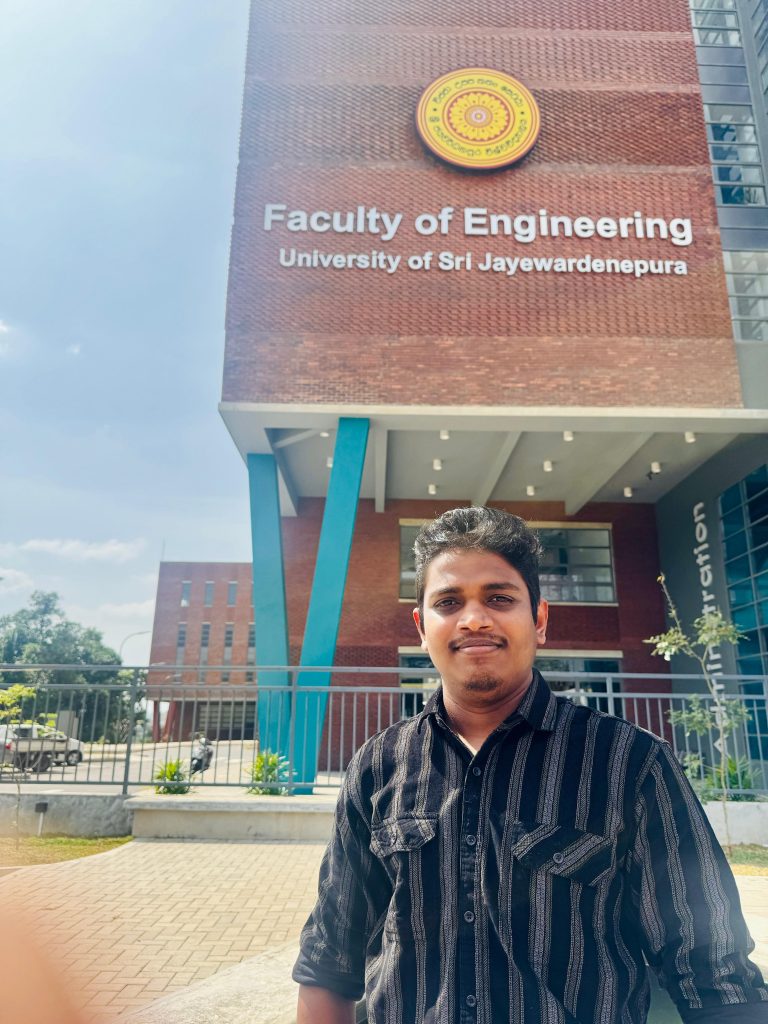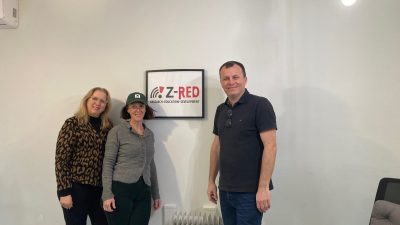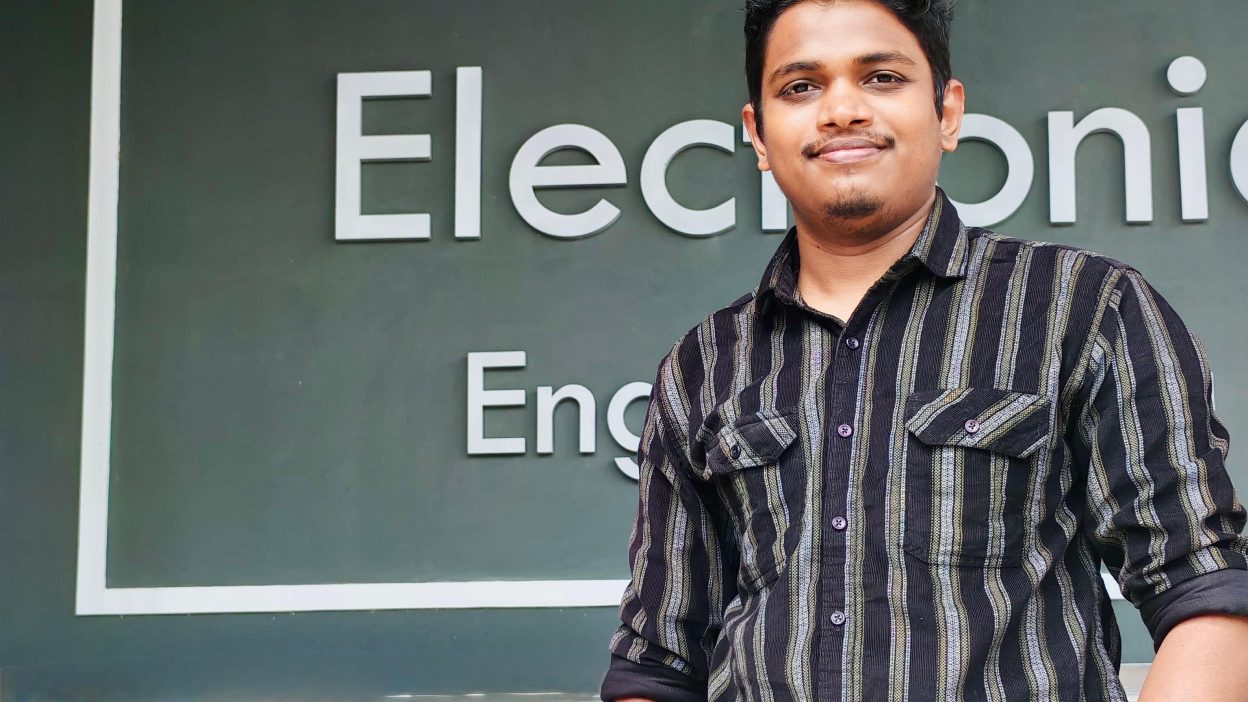
As part of the ENSURE-6G project, I completed a one-month research secondment from University College Dublin (UCD) to University of Sri Jayewardenepura (USJ). The secondment aimed to strengthen collaboration between partner institutions while contributing to Use Case 01: Beyond-5G for Tele-medicine, a key initiative focused on enabling next-generation remote healthcare services through beyond-5G/6G technologies.
Use Case 01 is led by USJ in collaboration with UCD, TUD, VUB, TCD, and CMC. The use case explores how advanced communication technologies can enhance tele-consultation, remote diagnosis, medical report monitoring, and assisted medical procedures. The broader objective is to integrate ultra-reliable, low-latency connectivity with edge intelligence and AI-enabled processing to improve the effectiveness and accessibility of remote healthcare services.
Main Contributions
During the secondment, I represented UCD and contributed to the technical development of Use Case 01. My work focused on analysing and refining the functional requirements and technical enablers necessary to support reliable, low-latency, and secure tele-medicine services.
This included examining how advanced connectivity and edge computing can support the real-time transmission of biomedical data and improve remote healthcare communication. I contributed to the assessment of IoT-based medical data collection mechanisms, real-time biomedical signal transmission, and AI-assisted early disease detection approaches, with particular emphasis on cardiovascular monitoring and preventive care workflows.
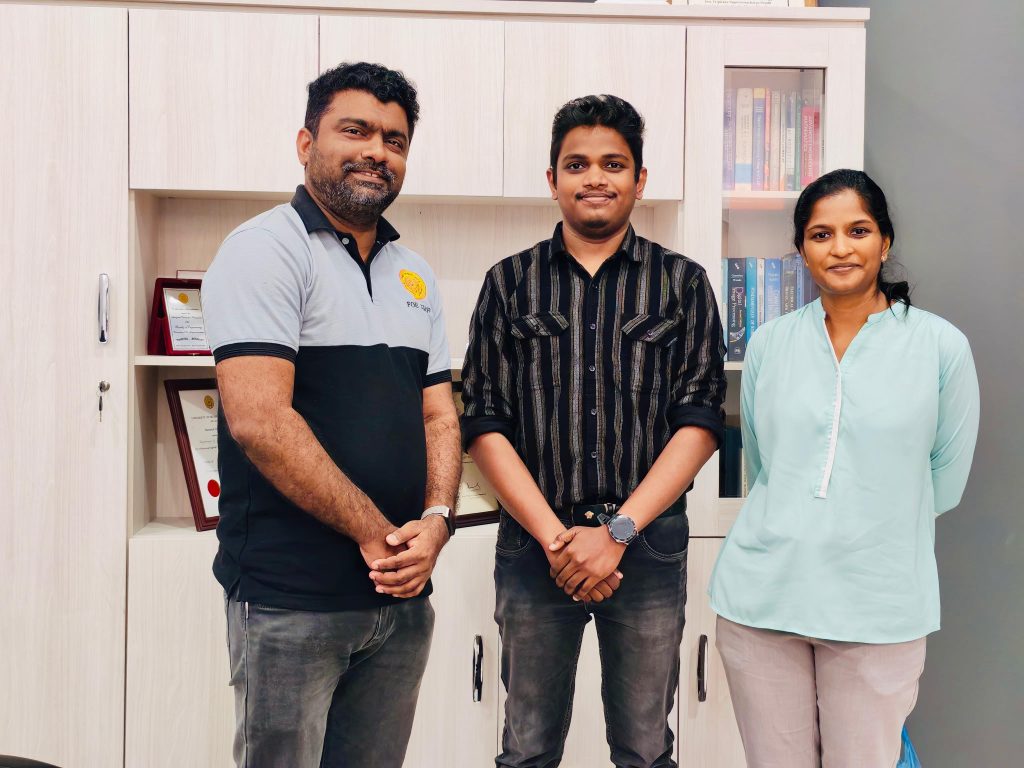
Additionally, I supported the alignment of the tele-medicine service workflow with ENSURE-6G architectural and security principles. Through close collaboration with USJ and other consortium partners, the secondment strengthened UCD’s contribution to interdisciplinary knowledge exchange across networking, AI, and healthcare domains.
Importantly, the secondment focused on analysis, requirement refinement, and conceptual alignment, rather than experimental validation or testing. The work helped consolidate the technical foundation of the use case for future implementation and evaluation phases within the project.
Scientific Impact
The secondment contributed to strengthening the research foundation of beyond-5G/6G-enabled tele-medicine within ENSURE-6G. By linking communication performance requirements with healthcare application needs, the work supported the development of scientifically grounded use-case models. The collaboration between UCD and USJ also enhanced methodological alignment and interdisciplinary cooperation across the consortium.
Economic Impact
From an economic perspective, the work supports the development of scalable and cost-efficient tele-medicine solutions. By enabling improved remote diagnosis and preventive care capabilities, beyond-5G/6G-based healthcare services have the potential to optimise medical resource utilisation and reduce unnecessary hospital visits. Strengthened collaboration between European and international partners further contributes to innovation capacity in secure digital health technologies.
Societal Impact
The secondment contributes to the broader goal of developing trustworthy and resilient digital healthcare services. By focusing on secure data transmission, reliable connectivity, and AI-assisted healthcare support, the work helps lay the foundation for improved access to medical services, particularly for remote or underserved populations. These efforts support patient safety, service reliability, and public trust in future AI-enabled communication systems.