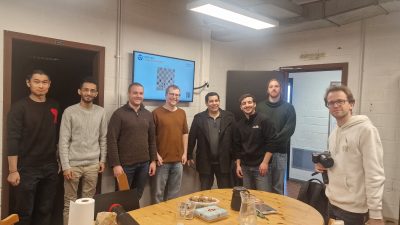
Healthcare is steadily moving beyond hospital walls. With the rise of telemedicine, patients can now be monitored from the comfort of their homes using wearable devices and intelligent systems. During my secondment in Sri Lanka, I explored this transformation through the lens of remote monitoring in next-generation networks, particularly in the context of beyond-5G and emerging 6G technologies.
My focus was on understanding how advances in communication and artificial intelligence can enable continuous monitoring of medical data, such as ECG and electroencephalography (EEG) signals, while addressing critical challenges related to privacy, fairness, and trust.
What Is Remote Monitoring in Telemedicine?
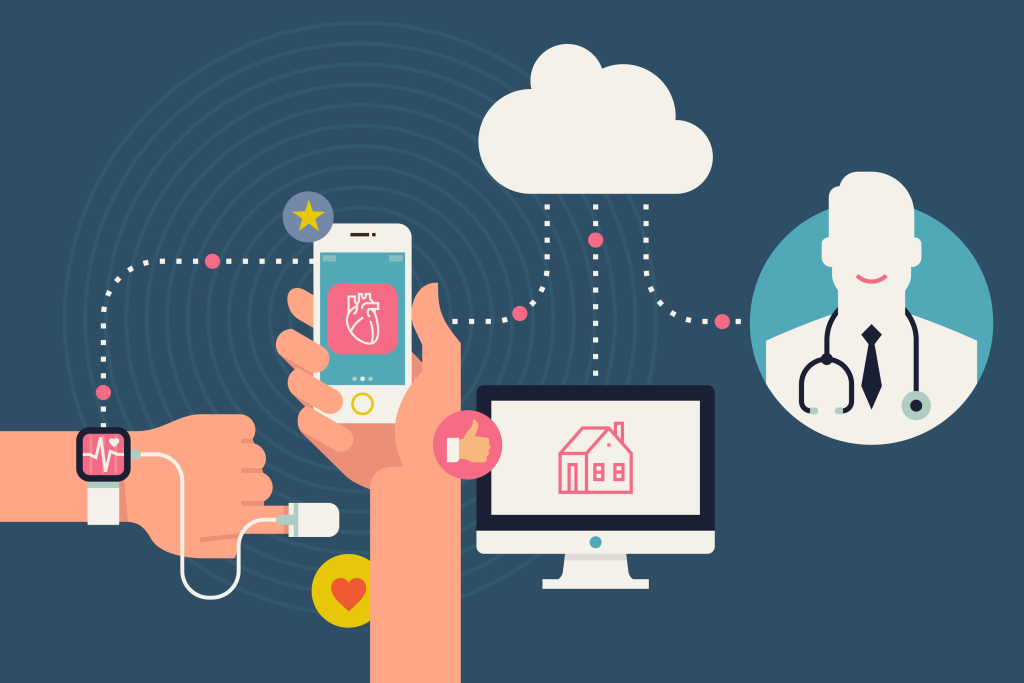
Remote monitoring uses digital technologies to collect medical data from patients outside traditional clinical settings. Devices such as wearable ECG/EEG monitors, smartwatches, and biosensors enable continuous tracking of physiological signals. This approach offers several advantages:
- Early detection of health issues
- Reduced hospital visits
- Improved access to healthcare, especially in remote or underserved areas
For example, continuous ECG monitoring can help detect cardiac abnormalities in real time, enabling timely medical intervention. Remote EEG monitoring provides immediate, specialised interpretation to detect non-convulsive seizures that would otherwise go unnoticed.
Why “Beyond 5G” Matters
While current telemedicine systems depend largely on existing network infrastructure, future healthcare applications demand more advanced capabilities. This is where beyond 5G and 6G technologies become important. These next-generation networks aim to provide:
- Ultra-low latency for real-time decision-making
- High data reliability for critical medical applications
- Seamless connectivity for continuous monitoring
In the context of remote monitoring, this means patient data can be transmitted instantly and securely to healthcare providers, enabling faster, more accurate responses.
The Role of AI in Remote Healthcare
Artificial intelligence plays a crucial role in making sense of the large volumes of data generated by remote monitoring. Rather than clinicians manually analysing continuous streams of signals, AI models can:
- Detect anomalies in ECG/EEG and other physiological signals
- Provide early warnings of potential health risks
- Support clinical decision-making
This combination of AI and advanced connectivity creates a powerful ecosystem in which monitoring is not only continuous but also intelligent.
Challenges: Privacy, Fairness, and Trust
While the potential of remote monitoring is immense, it also raises important privacy and ethical concerns in 6G systems.
- Privacy and Data Security- Medical data collected via remote monitoring is highly sensitive. Continuous data transmission increases the risk of breaches, making secure data handling and encryption essential.
- Fairness in AI Systems- AI models used in healthcare must be trained on diverse, representative data. Otherwise, there is a risk of biased predictions that may disproportionately affect certain groups.
- Trust and Transparency- For telemedicine systems to be widely adopted, both patients and clinicians need to trust them.
This requires: Transparent AI models, Clear data usage policies, Reliable system performance.
Insights from My Secondment Experience

Working on this topic in Sri Lanka provided a valuable perspective on the real-world implications of remote healthcare technologies. Discussions with researchers highlighted:
- The importance of designing accessible and scalable solutions
- The need to balance innovation with ethical responsibility
- The influence of infrastructure and resource availability on the telemedicine adoption
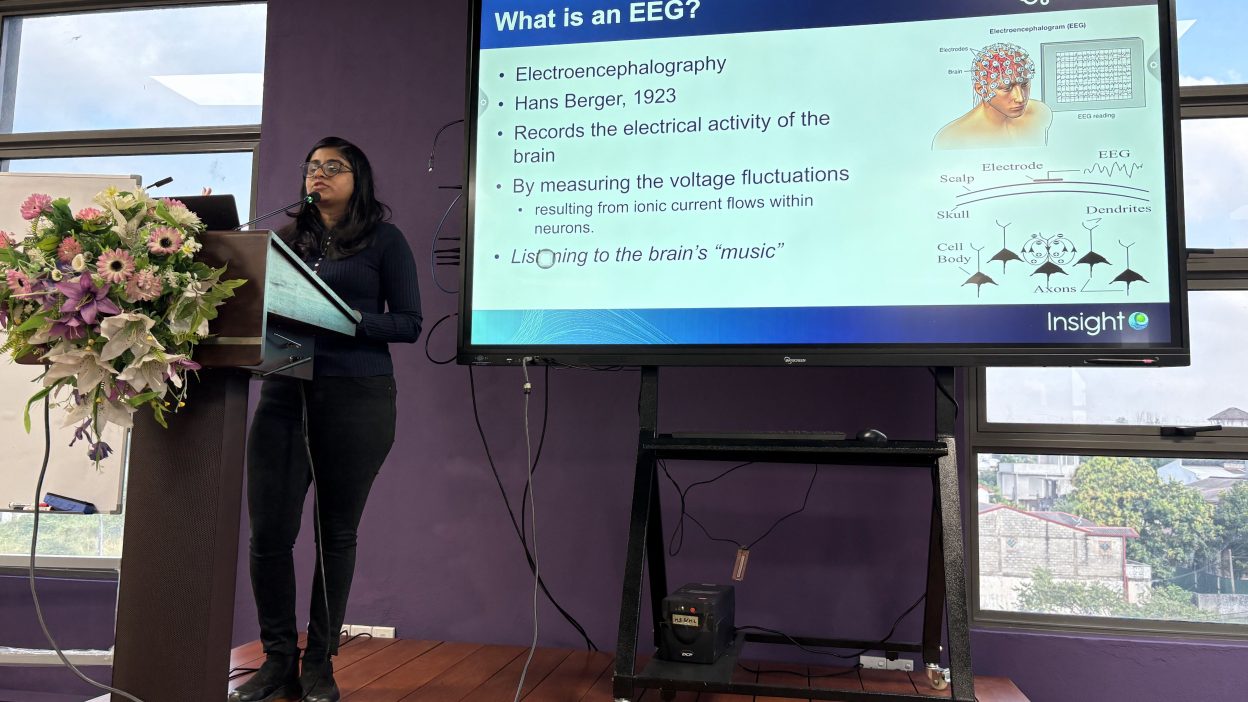
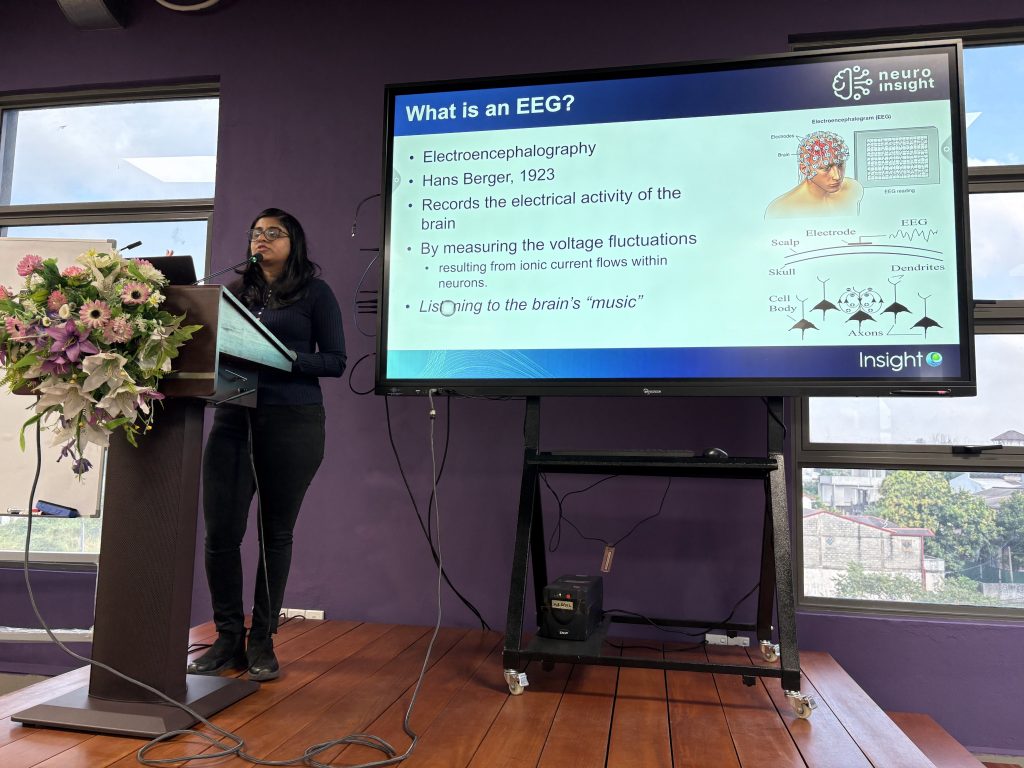
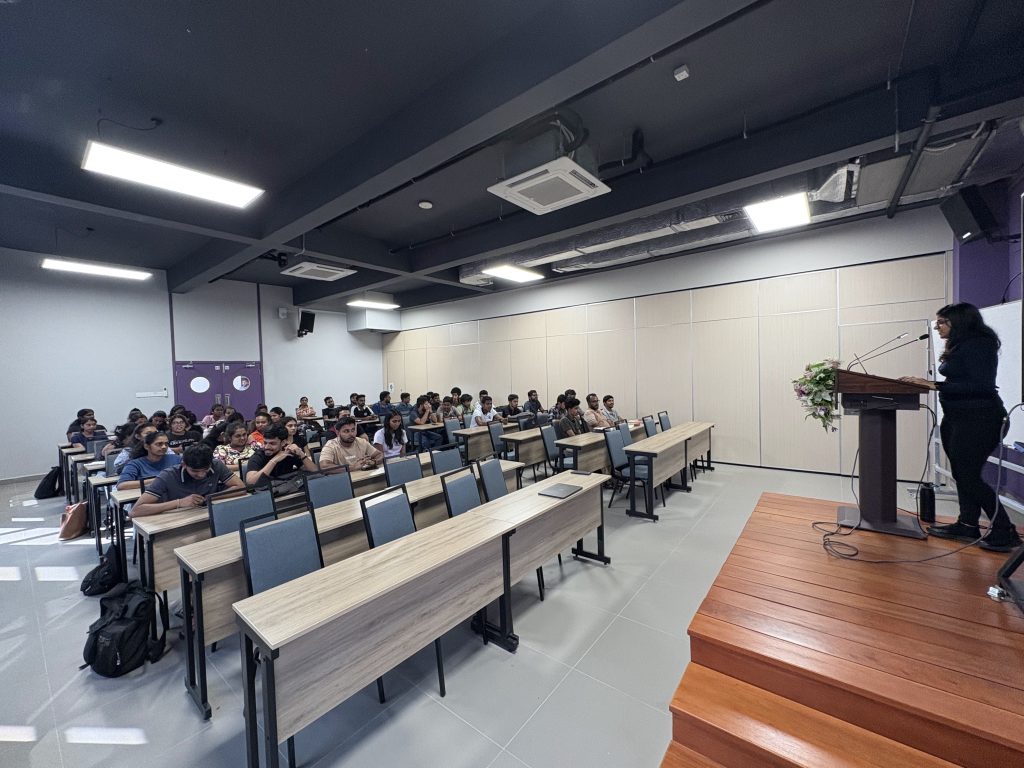
I also had the opportunity to present my current work, which led to engaging conversations about analysing brain signals (EEG data) using machine learning and how to make the models more robust, inclusive, and trustworthy.
Looking Ahead: The Future of Telemedicine
Remote monitoring is set to play a central role in the future of healthcare. 6G’s ultralow latency, massive device connectivity, and high data throughput can significantly enhance patient care, real-time monitoring, and hospital operational efficiency. With the integration of AI and next-generation networks, we are moving towards a system where:
- Patients are continuously monitored in real time
- Healthcare becomes more proactive rather than reactive
- Access to care improves globally
However, achieving this vision requires more than technological advancement. It demands a strong focus on ethical design, data protection, and fairness.
Conclusion
My secondment experience reinforced the idea that remote monitoring is not merely a technological innovation; it is a shift in how healthcare is delivered. As we move beyond 5G into the era of 6G, the challenge is to ensure that these systems are not only efficient but also secure, fair, and trustworthy.
The future of telemedicine lies in developing solutions that combine cutting-edge technology with responsible innovation, bringing healthcare closer to patients while safeguarding their rights and well-being.