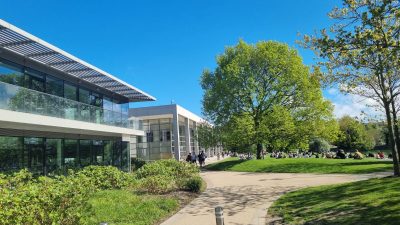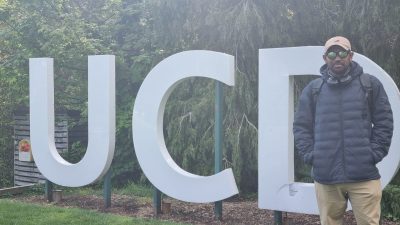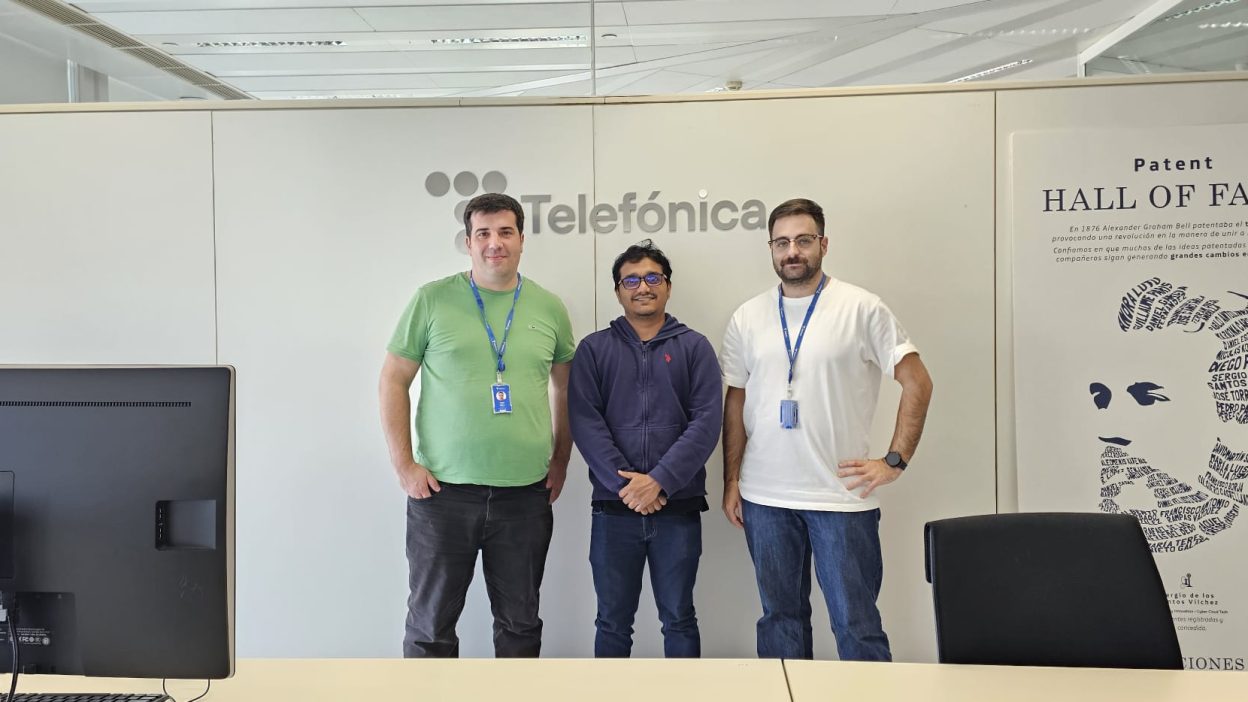
As part of the ENSURE-6G Staff Exchange Programme, I completed a one-month research secondment at Telefónica Innovación Digital (TID) in Spain. The secondment was undertaken across two periods, from 15–31 December 2025 and 3–15 March 2026, representing University College Dublin.
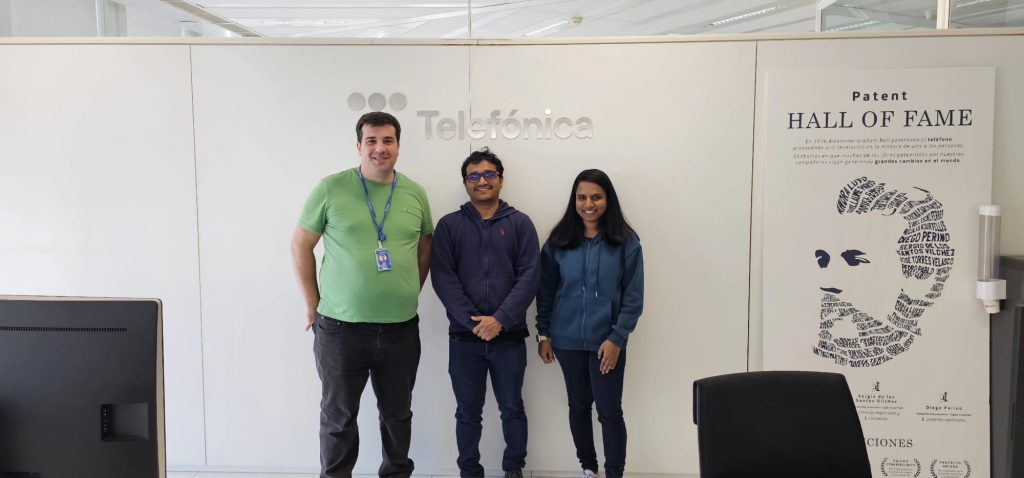
The visit provided a valuable opportunity to explore how personalised Federated Learning can support the development of intelligent and adaptive services for future 6G telecommunications systems.
Federated Learning enables multiple participants to collaboratively train machine-learning models without directly sharing their local data. However, conventional approaches often aim to produce a single global model for all participants. This can be limiting in telecommunications environments, where devices, users, network components, and operational conditions may differ considerably.
Personalised Federated Learning offers a promising direction by allowing locally adapted models to be developed while retaining the benefits of collaborative learning. This is particularly relevant to 6G networks, where participating clients may have different data distributions, computational capabilities, communication conditions, and service requirements.
During the secondment, discussions with researchers at Telefónica focused on several important challenges, including data and model heterogeneity, variable client participation, differences in local learning conditions, and the reliability of distributed training processes. We also considered how personalised learning approaches could be applied to telecom-specific scenarios, particularly the analysis of 6G network traffic and the development of adaptive machine-learning services.
A particularly valuable aspect of the visit was the opportunity to connect academic research with practical telecommunications requirements. The discussions helped clarify how personalised Federated Learning methods may need to be designed and evaluated to operate effectively under realistic network constraints, rather than only under ideal experimental settings.
The secondment therefore helped refine the research direction and identify a potential joint topic focused on personalised Federated Learning for heterogeneous 6G environments. As a follow-up, we plan to further develop this research direction with the aim of preparing a joint scientific publication.
Beyond the technical outcomes, the visit strengthened knowledge exchange between UCD and Telefónica and provided valuable insights into the role of industry–academia collaboration in advancing practical AI solutions for future communication networks.
I would like to sincerely thank the Telefónica team for their warm welcome, valuable discussions, and support throughout the secondment. Their technical expertise and practical perspectives made the visit both productive and enjoyable.
Looking ahead, the ideas developed during the secondment provide a promising foundation for future collaboration and further research on adaptive, reliable, and personalised learning solutions for next-generation telecommunications systems.
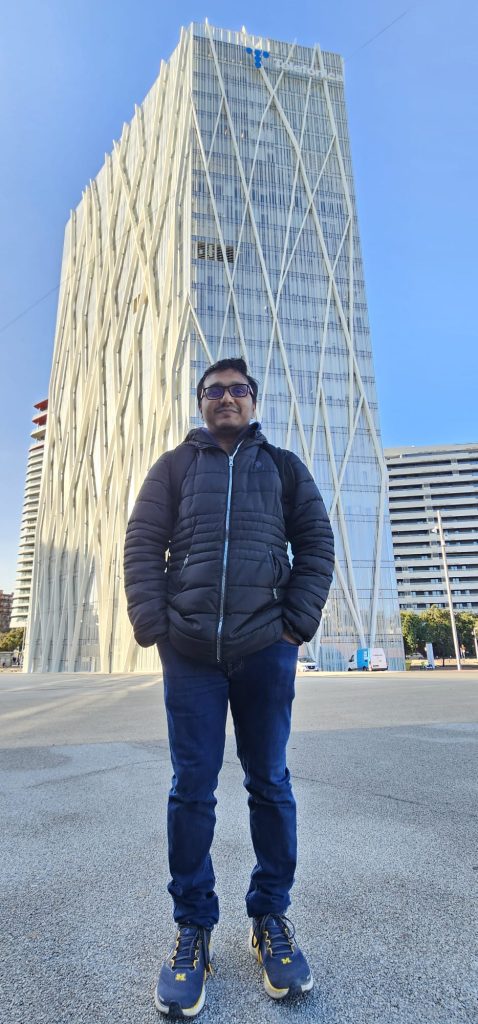
Contributed by Dr. Chamara Sandeepa, University College Dublin, following an ENSURE-6G secondment at Telefónica Innovación Digital.