

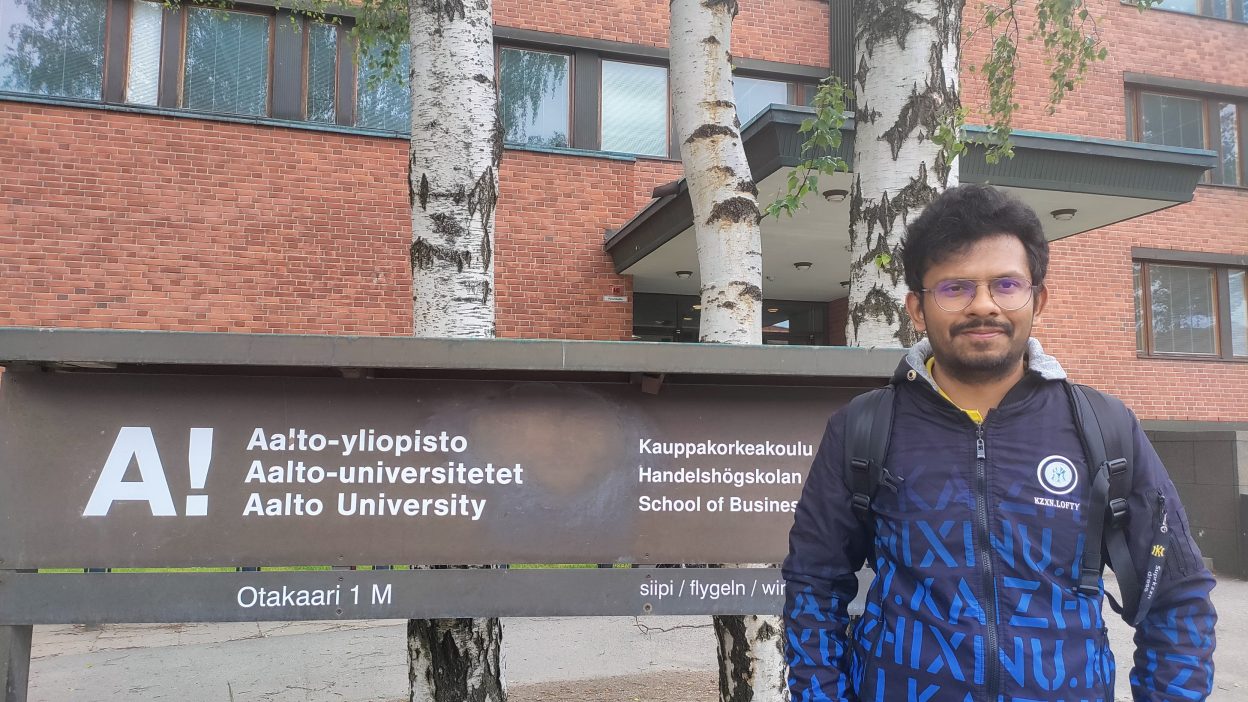
As part of the ENSURE-6G Staff Exchange Program funded by the Marie Skłodowska-Curie Actions (MSCA), Charuka Moremada from the UCD School of Computer Science, and Network Softwarization and Security Lab (Netslab) has commenced a research secondment at Cumucore, Finland. Cumucore is a leading provider of software-based mobile core network solutions for 5G, and a key industrial partner within the ENSURE-6G consortium.
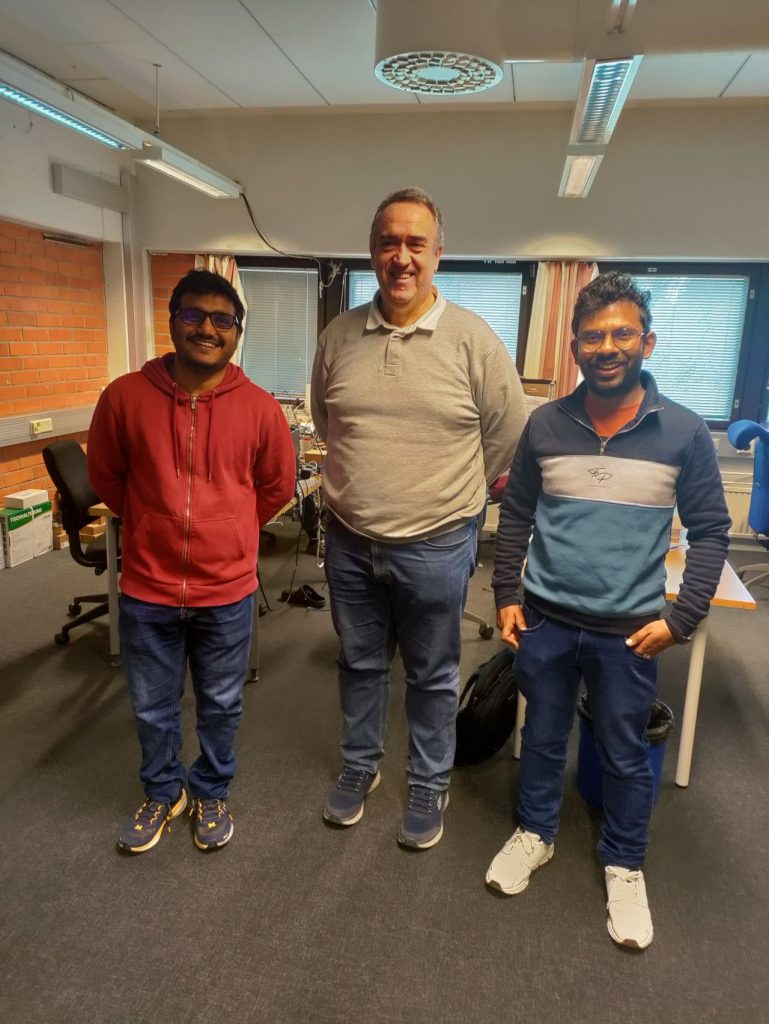
Research Focus: AI-Enhanced Security for ORAN and 5G Core Networks
Charuka’s research during this secondment focuses on enhancing Network Intrusion Detection Systems (NIDS) using Large Language Models (LLMs) to deliver explainable AI (XAI) capabilities. The work targets security operations within both the 5G Core and Open RAN (ORAN) domains, aiming to provide interpretable, human-readable insights into detected network threats.
While the ORAN testbed infrastructure is provided by UCD’s Network Softwarization and Security Labs (NetsLab), the collaboration with Cumucore enables practical experimentation on 5G Core security components—helping bridge academic research with real-world, industrial-grade network environments.
Strengthening Industry-Academic Collaboration
The secondment strengthens collaboration between UCD and Cumucore, combining academic advances in LLM-based explainability with Cumucore’s practical experience in mobile core network design. This synergy enables testing AI-driven explainable security solutions in live or emulated 5G environments, particularly in the context of software-defined core network components.
Such collaboration is essential for validating research outcomes in operationally relevant settings and aligning them with real-world deployment challenges.
Shaping the Future of Secure and Transparent Networks
This secondment embodies the ENSURE-6G mission of driving explainable, intelligent, and secure connectivity through cross-sector collaboration and researcher mobility. Charuka’s work on LLM-based explainability for NIDS contributes to the broader goal of building trustworthy AI-enabled security mechanisms for the evolving 5G and 6G network landscape.


