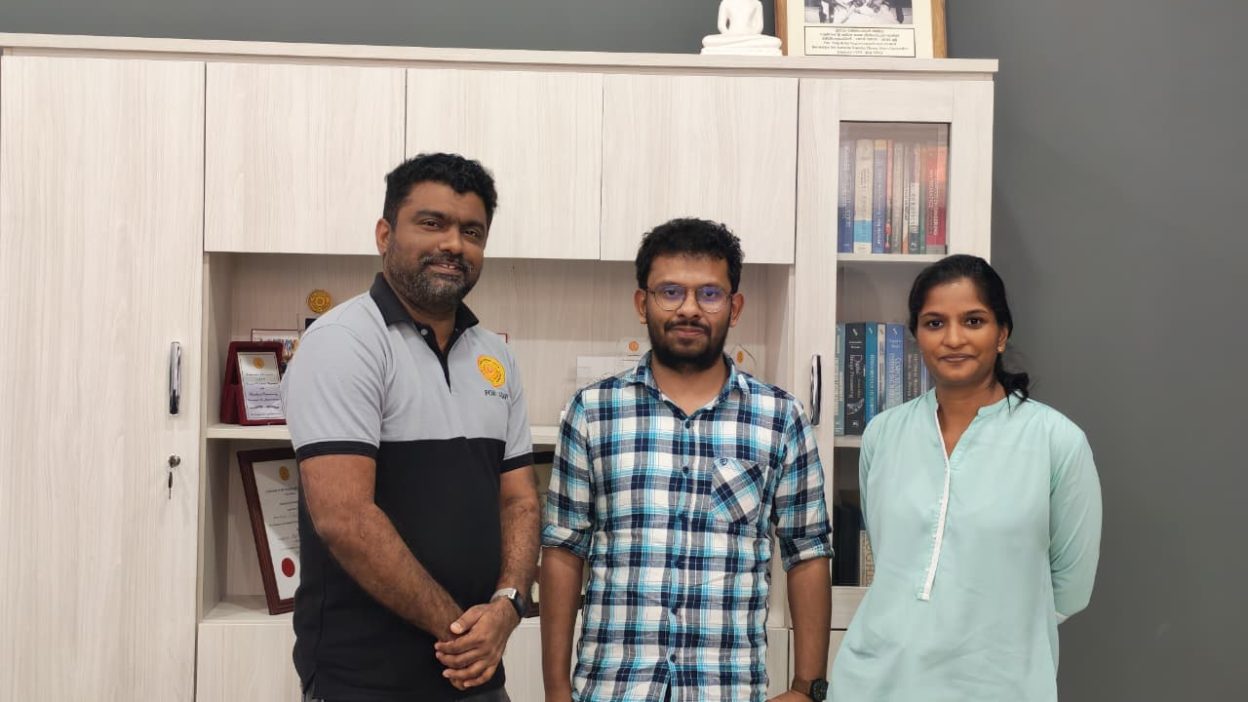
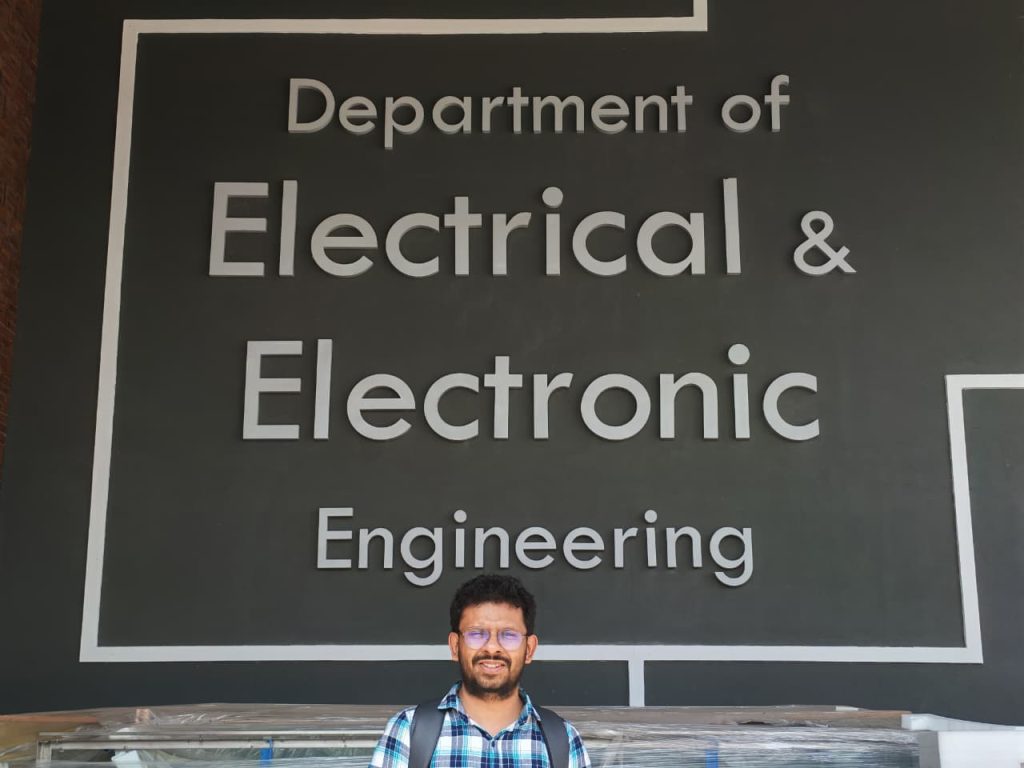
As part of the ENSURE-6G, I undertook a research secondment from University College Dublin (UCD) to University of Sri Jayewardenepura (USJ). The secondment aimed to strengthen inter-partner collaboration while contributing directly to key technical and coordination activities focused on AI-driven security challenges in future 6G networks.
Main Results and Achievements
During the secondment, my work focused on contributions to Work Package 7 (WP7), specifically Deliverable D7.2 – First Progress Report, as well as Deliverable D1.1 – 6G Threat Analysis Report. D7.2, led by USJ, is a major milestone within ENSURE-6G, providing a consolidated overview of the project’s progress during its first year. My contribution involved supporting the collection, structuring, and synthesis of inputs from multiple consortium partners, which required close coordination and continuous communication across the project.
In parallel, I contributed to D1.1, led by Vrije Universiteit Brussel (VUB) with inputs from UCD, USJ, and several other partners. During the secondment period, this deliverable was successfully finalized and submitted. My primary technical contribution focused on the analysis of cross-layer AI security attacks and corresponding countermeasures in 6G systems. This included work on data poisoning, AI model evasion, model-stealing, membership inference, reinforcement learning–based attacks, large language model (LLM) misuse and hallucinations, and AI supply-chain attacks. These contributions strengthened the project’s threat taxonomy and improved its coverage of AI-specific risks across multiple network layers.
Scientific Impact
The secondment had a clear scientific impact by advancing ENSURE-6G research on AI-driven security and threat modeling for future 6G networks. My contributions, particularly to D1.1, helped refine the systematic analysis of AI-related threats and supported a more comprehensive understanding of cross-layer vulnerabilities. The close collaboration between UCD and USJ also facilitated knowledge exchange and methodological alignment, providing a strong foundation for future technical developments and high-quality research publications.
Economic Impact
From an economic perspective, the secondment supported Europe’s competitiveness in secure 6G technologies by addressing AI-related security risks early in the network design process. The insights generated through the threat analysis are relevant to industry stakeholders seeking to reduce deployment risks, mitigate cyber incidents, and lower long-term operational costs associated with AI-enabled network automation. Additionally, the strengthened collaboration among UCD, USJ, VUB, and other partners contributes to a more efficient innovation ecosystem and the development of highly skilled researchers in AI and cybersecurity.
Societal Impact
The secondment also delivered societal benefits by contributing to the development of trustworthy, resilient, and secure 6G communication infrastructures. By proactively identifying AI misuse and security vulnerabilities, my work supports the protection of user privacy, service reliability, and public trust in AI-driven network technologies. The dissemination of these results through ENSURE-6G deliverables and future publications further contributes to awareness and capacity building in AI and cybersecurity, ultimately supporting a safer and more inclusive digital society.