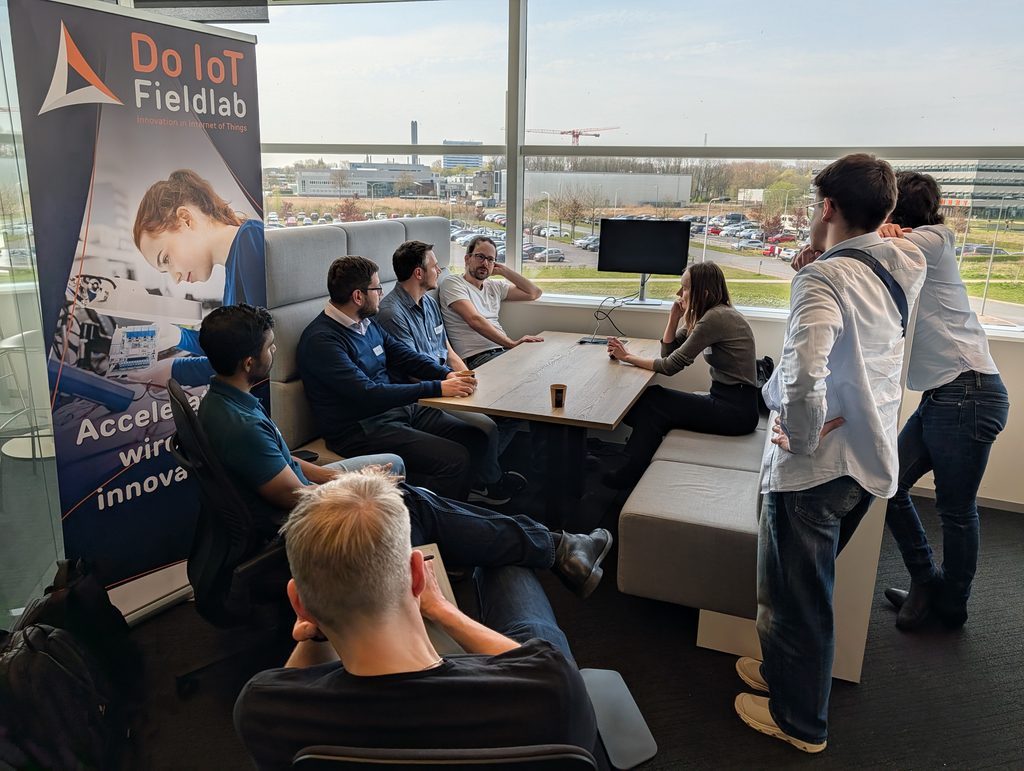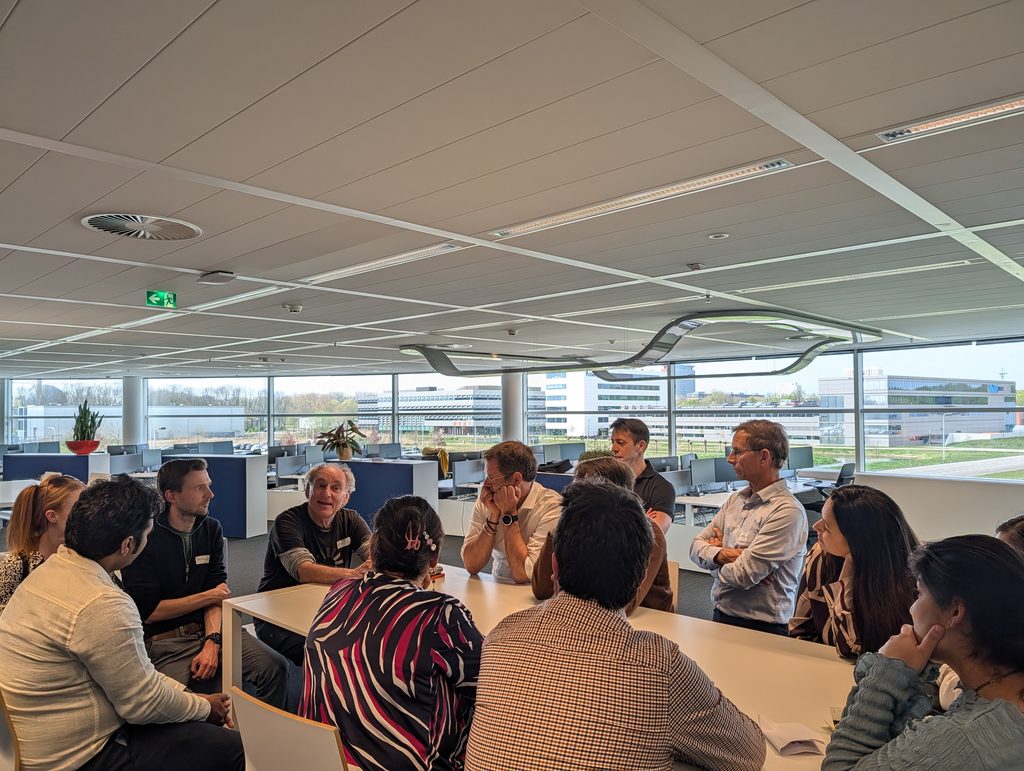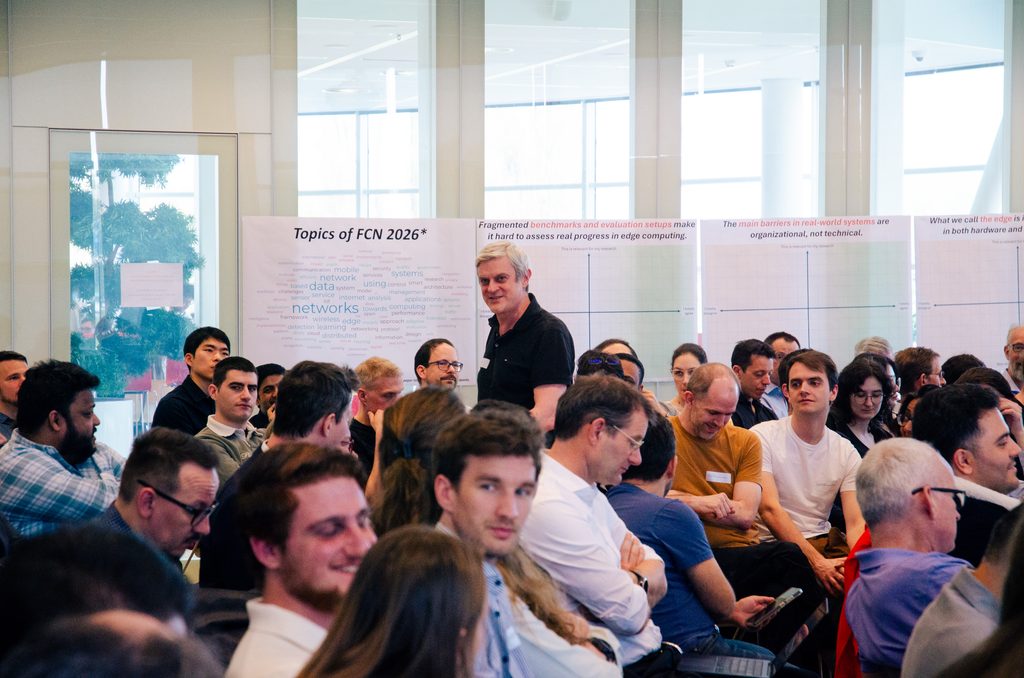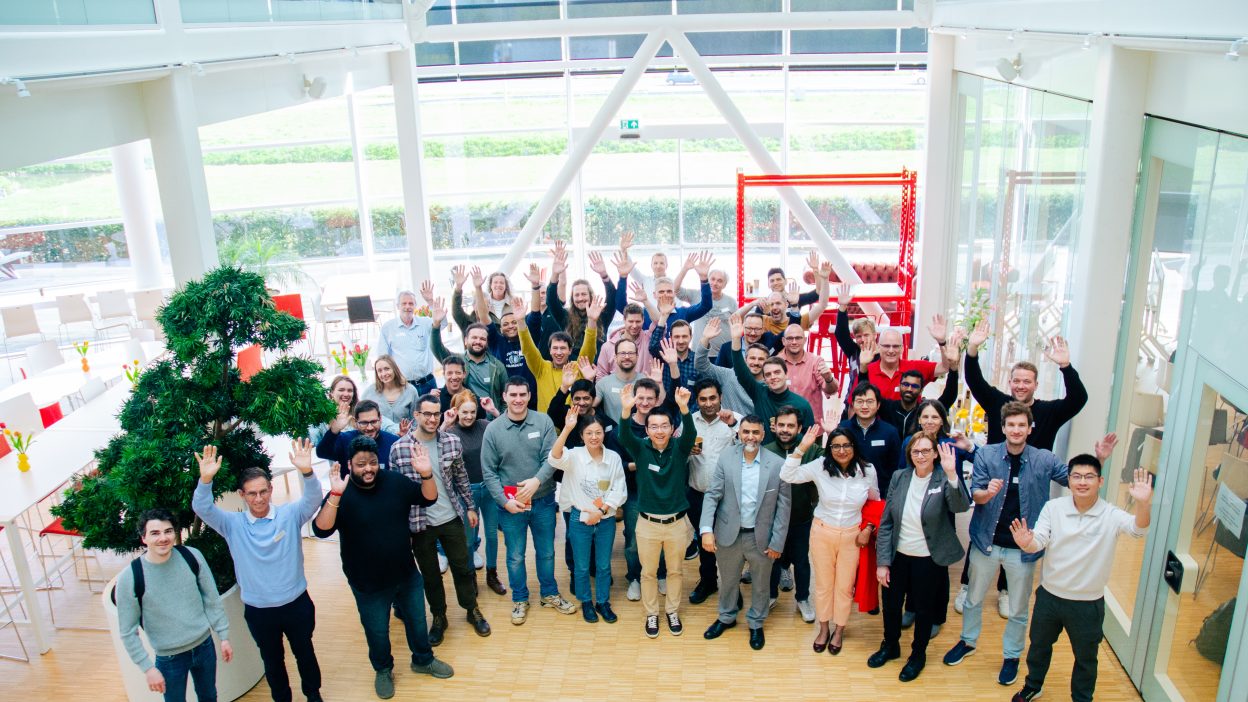
The ENSURE-6G project proudly sponsored the 13th Future Computing and Networking (FCN 2026) workshop, chaired by Dr. Aaron Ding at Mondai | House of AI, TU Delft, The Netherlands, on April 9–10, 2026. This two-day gathering brought together leading professors, researchers, graduate students, and ENSURE-6G partners for intensive discussions, keynote talks, and collaborative breakout sessions focused on Edge AI, sustainable computing, security and privacy, and the future of mobile 6G networks.
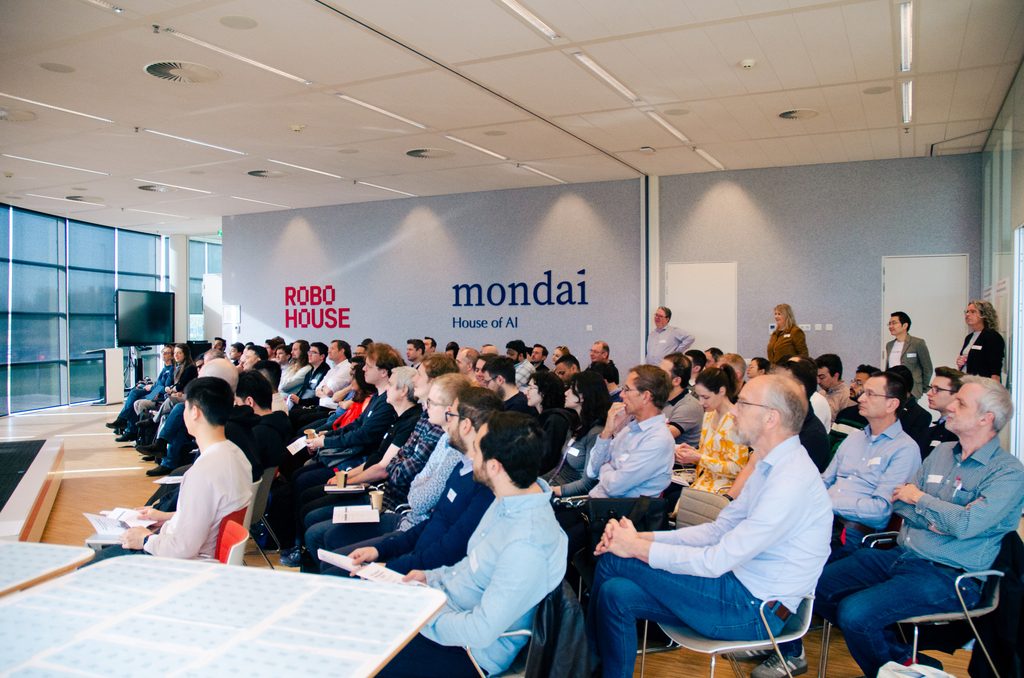
Day One: NeuroAI, Emerging Research Trends, and Collaborative Breakouts
The first day kicked off with welcome coffee and arrival formalities, setting an energetic and collaborative tone for the sessions ahead. Following an opening address by the workshop chairs and a round of quick self-introductions from the international attendees, participants dove straight into the technical programme.
Morning Sessions: NeuroAI Keynote and Hot Research Highlights
The morning featured the opening keynote address delivered by Charlotte Frenkel (TU Delft, The Netherlands), titled “A NeuroAI Framework for Intelligent Systems.” The presentation explored how biologically inspired neural processing principles can drive next-generation energy-efficient edge intelligence—a core theme aligning closely with ENSURE-6G’s vision for sustainable and intelligent wireless networks.
Following a networking coffee break, the agenda shifted to Hot Research Trends and Highlights, where researchers shared cutting-edge findings across approximate computing, data analytics, and resilient cyber-physical infrastructures. The morning concluded with Opinion Session #1 and a lively plenary discussion, allowing participants to debate emerging paradigms before breaking for lunch.
Afternoon Sessions: Breakout Discussions, Panel Debate, and Social Networking
In the afternoon, attendees split into working groups for Breakout Session #1, tackling targeted technical challenges across IoT systems, generative AI at the edge, and future digital transformation. Following an afternoon coffee break, each group reconvened to present a Report from the Breakout, synthesizing actionable insights and identifying cross-institutional research synergies.
The formal programme for Day One wrapped up with an interactive Panel session evaluating the trajectory of 6G and distributed computing architectures, before transitioning into evening Social Time and a conference social dinner in Delft.
Day Two: Quantum Edge Intelligence, Next-Gen Talent, and Strategic Collaboration
Day Two began with morning coffee, preparing participants for a packed schedule dedicated to edge-to-quantum convergence, educational perspectives, and concrete research partnerships.
Morning Sessions: Smart Cities, Junior Fellow Spotlights, and Academic Debates
The second day’s technical sessions opened with Keynote 2, presented by Nikolay Tcholtchev (Hochschule RheinMain & Fraunhofer FOKUS, Germany), on “From Smart City to Edge Intelligence for Simulating Quantum Algorithms.” The talk bridged urban cyber-physical infrastructure with advanced edge computing capabilities and quantum simulation workflows.
Directly following the keynote, the spotlight turned to emerging researchers during the Idea Highlight (Junior Fellows) session, offering early-career scholars and graduate students a dedicated platform to pitch novel concepts and receive feedback from senior faculty. After a mid-morning coffee break, participants engaged in a thought-provoking session on Education Challenges and Debate, followed by Opinion Session #2 and an extended Panel Discussion examining how academia and European research initiatives can best prepare the next generation of networking and AI specialists.
Afternoon Sessions: Collaboration Breakouts and Future Outlook
After lunch, the focus shifted toward actionable outcomes during the Collaboration Breakout session. Researchers and ENSURE-6G consortium members worked together to map out joint publications, student exchanges, and future project proposals across sustainable networking services and trustworthy 6G architectures.
The workshop concluded with a final Summary from the Breakout and a Closing, Feedback, and Outlook session, charting the roadmap for upcoming FCN editions and ongoing collaborative research. By sponsoring FCN 2026, the ENSURE-6G project continues to strengthen international academic ties and accelerate the foundational technologies that will power secure, resilient, and intelligent 6G ecosystems.